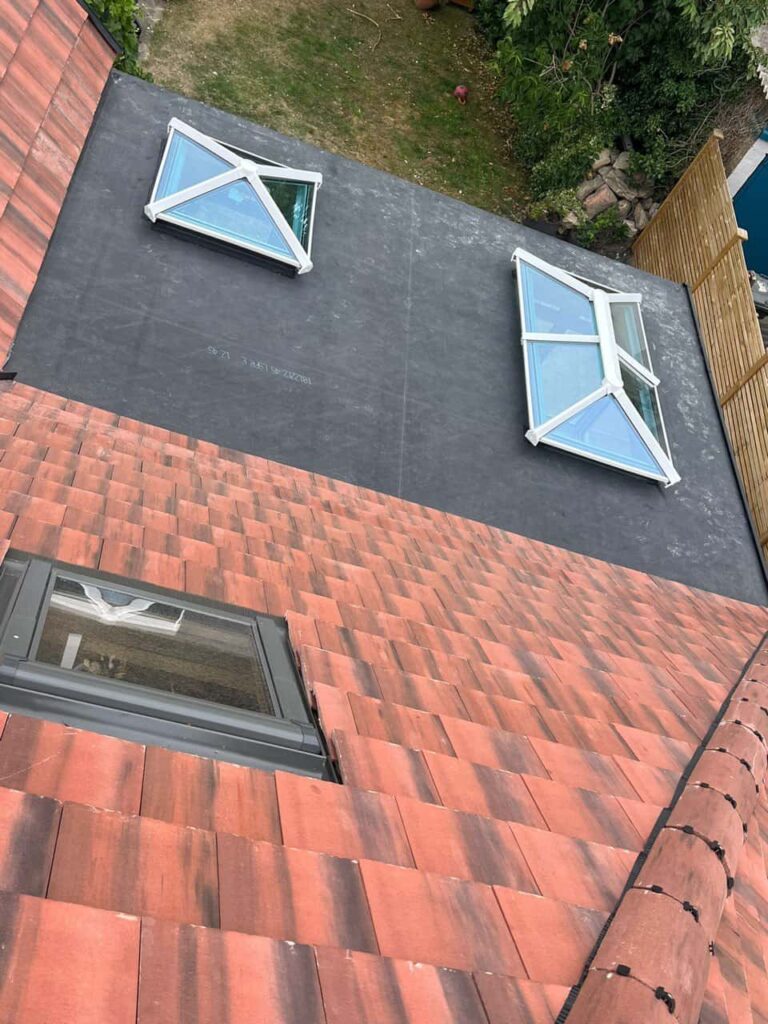
A roofing defect can begin with something as small as a cracked tile, loose flashing or failed section of mortar. Although the initial problem may appear minor, water and wind can exploit the opening and gradually affect a much larger area.
Professional roof repairs can stop this process by identifying the source of the defect, removing damaged materials and restoring the roof’s weather resistance. Acting before deterioration spreads can help protect the roof structure, insulation, ceilings and walls from avoidable moisture damage.
How Professional Roof Repairs Protect the Wider Property
An effective roof repair should address more than the most visible symptom. A ceiling stain may reveal that water has entered the property, but the original defect could be located some distance away. Professional investigation helps establish the complete route taken by the moisture.
Preventing Water From Spreading Beneath the Covering
Rainwater does not always fall directly from the defect into the room below. It can travel along underlay, battens, rafters or other roof components before becoming visible.
A small opening may therefore affect materials beyond the immediate repair area. If the source remains untreated, repeated rainfall can increase the extent of the dampness.
A professional roofer can assess the covering and surrounding details to determine where water is entering and how far it may have travelled.
Protecting Roof Timbers
Roof timbers depend on remaining dry and well ventilated. Persistent water entry can dampen rafters, battens and other structural components, particularly when the leak has been present for some time.
Timber deterioration may not be visible from inside the occupied rooms. By the time a ceiling mark becomes noticeable, moisture may already have affected concealed materials.
Repairing the external defect promptly helps limit continued exposure and allows affected areas to begin drying.
Reducing Damage to Underlay and Battens
Tiles and slates form the main roof covering, while the underlay provides secondary protection. Battens support the covering and hold many of its fixings.
When tiles become cracked or displaced, the underlay may face direct exposure to wind and rain. Older material can tear or become brittle, while damp battens may lose their ability to retain fixings securely.
A professional repair should check these concealed components rather than replacing the visible tile alone.
Protecting Ceilings and Internal Walls
Water entering through the roof can soak insulation and ceiling materials before reaching the rooms below. Internal signs may include:
- Brown or yellow ceiling marks
- Peeling paint
- Blistered finishes
- Damp patches near external walls
- Moisture around chimney breasts
- Musty odours within the roof space
- Dripping during prolonged rainfall
These symptoms can worsen each time it rains. Stopping the entry point is essential before internal finishes can dry and remain stable.
Preventing One Loose Tile From Affecting Others
A slipped or missing tile creates a gap within the roof covering. Wind can enter beneath neighbouring tiles, placing additional pressure on their fixings and overlaps.
What begins as one displaced tile can therefore lead to movement across a wider section. Rainwater may also reach the underlay and battens through the opening.
Professional repair secures the affected area and checks whether adjacent tiles have been loosened or damaged.
Restoring Failed Lead Flashing
Lead flashing protects vulnerable junctions around chimneys, walls, valleys and roof penetrations. Cracks, lifted edges or poorly formed joints can allow water to enter behind the surrounding materials.
Surface sealing may conceal the opening temporarily without correcting the failed detail. Because lead naturally expands and contracts, an unsuitable patch may separate and allow the leak to return.
A proper repair should restore the flashing’s position and weatherproofing function while examining the materials around it.
Addressing Deteriorated Ridge and Verge Mortar
Cracked mortar can reduce the stability of ridge and verge tiles. Wind and rain may gradually loosen these components, creating openings along exposed areas of the roof.
Replacing only the missing surface material may not provide a lasting repair if the mortar beneath the tile has also failed. Loose sections may need to be removed so that the tile can be secured correctly.
The adjoining ridge or verge should also be assessed for similar deterioration.
Keeping Roof Drainage Working Correctly
Gutters, valleys and outlets direct rainwater away from the roof. Blockages or damaged sections can cause water to overflow, collect in vulnerable areas or travel beneath adjoining materials.
A roof repair assessment should consider drainage where it may have contributed to the problem. Clearing a blockage may be necessary, but any damage caused by trapped or overflowing water should also be checked.
Restoring effective water flow helps reduce continued pressure on repaired areas.
Why Early Repairs Are More Effective
Roof deterioration often develops gradually. Fine cracks widen, fixings loosen and small amounts of moisture spread into surrounding materials.
Early warning signs can include:
- A tile sitting out of line
- Mortar fragments around the property
- New marks on ceilings
- Dampness after wind-driven rain
- Debris collecting in gutters
- Cracks in flat roofing
- Loose flashing around a chimney
- Recurring moisture in the same room
Arranging an assessment at this stage can help keep the repair localised and prevent the defect from becoming part of a wider roofing problem.
The Importance of Finding the Root Cause
Repeated repairs may fail when they treat the place where water appears rather than the point where it enters. One damp patch could result from damaged flashing, a slipped tile, a valley defect or water travelling beneath the covering.
Professional roof diagnosis considers how the different components interact. The roofer should inspect the visible defect, adjoining materials and likely moisture route before recommending work.
This methodical approach reduces the risk of the same problem returning after the next period of rain.
What a Professional Repair Should Achieve
A successful roof repair should:
- Stop the source of water entry
- Replace or secure defective materials
- Protect the underlay and battens
- Restore correct overlaps and drainage
- Integrate with the surrounding roof
- Address connected weaknesses
- Reduce the likelihood of recurrence
- Preserve serviceable sections of the roof
The appropriate solution depends on the roof’s construction, age and overall condition.
When a Wider Assessment Is Necessary
Local repairs remain suitable when damage is confined and the surrounding roof is sound. A broader assessment may be required when leaks occur in several places, tiles are failing across multiple slopes or the roofline shows movement.
Widespread underlay deterioration, weak battens and persistent dampness may also indicate that isolated work will not restore dependable performance.
A professional roofer can explain whether repair remains appropriate or whether a more extensive solution should be considered.
Conclusion
A professional roof repair can prevent further deterioration by stopping water entry, securing loose materials and protecting concealed components beneath the covering. The key is to identify the underlying cause before moisture and movement affect a wider area.
Bilsthorpe Roofing Repairs can inspect damaged and leaking roofs in Bilsthorpe, Nottinghamshire, trace the source of the problem and recommend an appropriate repair. If you have noticed a roofing defect or internal dampness, contact the team to arrange a professional assessment.
Call us on: 01623 572 795
Click here to find out more about Bilsthorpe Roofing Repairs
Click here to complete our contact form and see how we can help with your roofing needs.