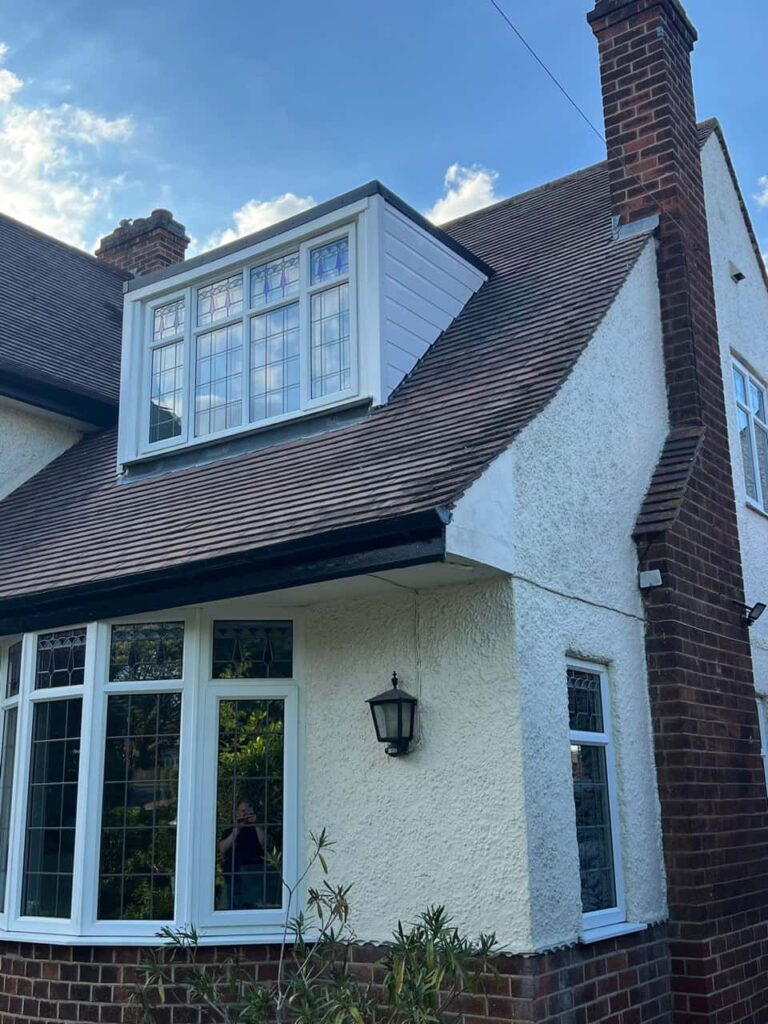
Roof defects can produce similar symptoms even when their underlying causes are very different. A damp ceiling might result from a cracked tile, failed flashing, damaged underlay or a problem at a roof junction. Treating the visible symptom without understanding its source can allow the issue to return.
Experienced roofers use careful inspection and practical knowledge to determine what has failed, why it happened and how much of the roof is affected. For property owners in Bilsthorpe, Nottinghamshire, this helps ensure that repair work is proportionate to the problem and suitable for the existing roofing system.
Choosing the Right Repair for the Roof Defect
A dependable repair begins with an accurate diagnosis. The roofer must consider the roof covering, supporting materials, drainage routes and vulnerable junctions rather than concentrating only on the most noticeable sign of damage.
Tracing the True Source of a Leak
Water does not always enter directly above the point where it becomes visible indoors. It can travel along underlay, battens or timbers before reaching a ceiling or wall.
An experienced roofer considers the location of internal staining alongside external features such as valleys, chimneys, flashing and roof penetrations. This wider assessment helps identify the original entry point instead of repairing an unrelated area.
Distinguishing Surface Damage from Hidden Deterioration
A broken tile may be the only problem, but it can also be a sign of damage beneath the surface. If moisture has reached the underlay, battens or timber, replacing the tile alone may not restore the roof fully.
Professional roofers inspect the surrounding materials to determine whether the defect is confined to the covering. Where concealed layers have deteriorated, the repair can be extended to include them rather than leaving weakened components in place.
Establishing Whether the Problem Is Localised
Some roof defects are suitable for focused repairs. Examples may include one slipped tile, a small section of damaged flashing or an isolated puncture in a flat roof covering.
A localised repair is most appropriate when the adjoining materials remain stable and capable of supporting the work. If similar defects appear across several areas, a broader solution may be needed. Correctly identifying the extent of deterioration prevents a small problem from being overtreated and widespread wear from being underestimated.
Matching Materials to the Existing Roof
Replacement tiles and slates must be compatible with the existing covering. Differences in profile, size, thickness or fixing method can affect alignment, overlaps and drainage.
Experienced roofers select materials that integrate properly with the roof. This is important for weather resistance as well as appearance, because an unsuitable replacement can create gaps or place pressure on neighbouring coverings.
Selecting the Correct Repair for Flashing
Flashing around chimneys, walls and other junctions can fail in several ways. It may split, lift, become loose or separate from the surrounding masonry.
The correct solution depends on the nature and condition of the material. A small sound section may be suitable for a focused repair, while badly deteriorated or incorrectly installed flashing may need to be renewed. Applying surface sealant indiscriminately does not resolve every type of failure.
Understanding Why Tiles Have Moved
A slipped tile is not always caused by the tile itself. The fixing may have deteriorated, the supporting batten may have weakened or movement elsewhere on the roof may have disturbed the covering.
Simply pushing the tile back into place may not provide a lasting result. An experienced roofer checks the support and fixing method before securing or replacing it, helping prevent repeated movement.
Repairing Flat Roof Defects Appropriately
Flat roof problems can include cracks, failed joints, lifted edges, punctures and deterioration around outlets or upstands. The repair method must be compatible with the existing roof covering.
The surrounding area should also be checked for trapped moisture, soft decking and poor drainage. A surface patch may be suitable for an isolated defect, but it will not correct movement or deterioration in the supporting deck.
Considering How Water Drains from the Roof
Some leaks are caused or worsened by water being directed towards a vulnerable detail. Blocked channels, poorly formed valleys and uneven junctions can interrupt the intended drainage route.
Experienced roofers assess how rainwater moves across the roof before deciding on a repair. Restoring the correct flow may be just as important as replacing the visibly damaged material.
Recognising When Previous Repairs Have Failed
Layers of sealant, repeated patches or mismatched materials can conceal the original defect and make diagnosis more difficult. A failed previous repair may also have allowed water to spread into neighbouring sections.
A professional assessment considers what work has already been carried out and why it did not remain effective. The next repair can then address the underlying weakness rather than adding another temporary layer.
Taking the Roof’s Overall Condition into Account
The same defect may require a different response depending on the condition of the wider roof. Replacing one tile on a sound roof is very different from repairing a fragile covering with deteriorated battens and underlay.
Experienced roofers consider age, material condition, previous repairs and the stability of surrounding components. This helps determine whether a targeted repair can provide a dependable result or whether the affected section requires more extensive work.
Why Appropriate Repairs Matter
A repair should restore the roof’s ability to shed water, resist weather exposure and protect the materials below. Work that is too limited may leave part of the problem unresolved, while unnecessarily extensive work provides no additional benefit.
Matching the repair to the cause and extent of the defect produces a more reliable outcome. It also allows homeowners to understand why the work is needed and what part of the roofing system it will address.
Conclusion
Experienced roofers match repairs to the problem by tracing the source of leaks, examining concealed layers, assessing surrounding materials and selecting compatible repair methods. This careful approach helps prevent recurring defects and ensures that the work reflects the roof’s actual condition.
Bilsthorpe Roofing Repairs provides professional roof inspections and repairs in Bilsthorpe, Nottinghamshire. If your roof is showing signs of damage, contact our team to arrange an assessment and identify the most appropriate repair.
Call us on: 01623 572 795
Click here to find out more about Bilsthorpe Roofing Repairs
Click here to complete our contact form and see how we can help with your roofing needs.