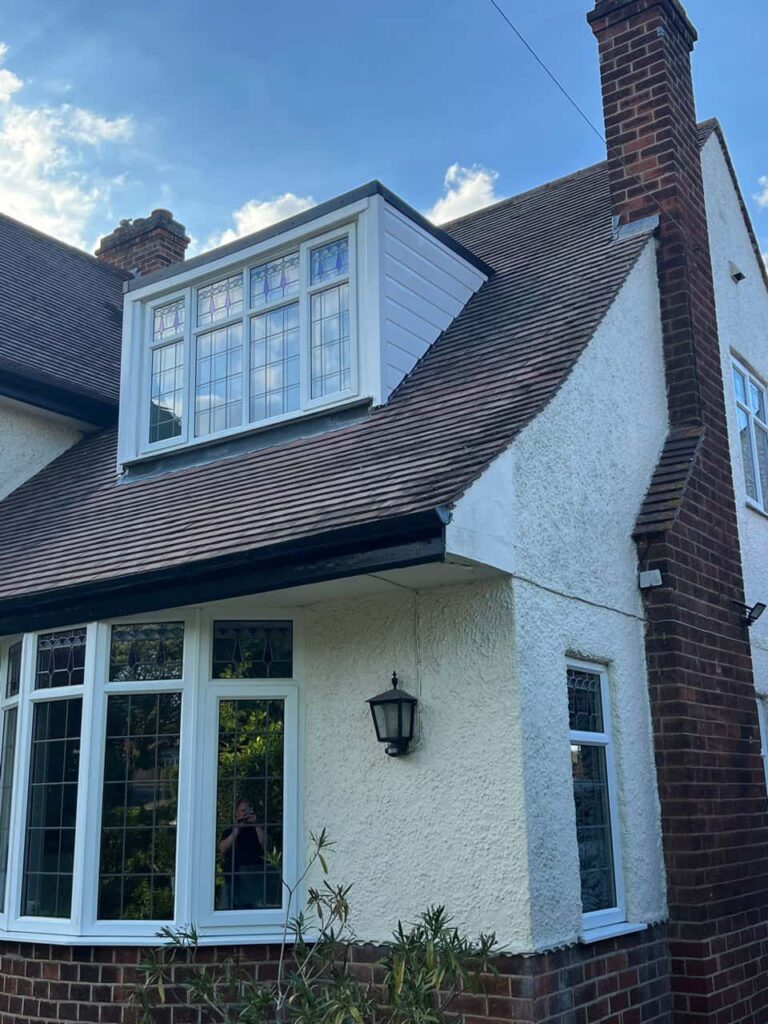
Finding a roof leak is not always as simple as looking directly above a damp patch. Water can enter through one part of the roof, travel along the underlay or timbers and become visible somewhere else inside the property.
An incorrect diagnosis may lead to unnecessary disturbance of tiles, ineffective sealant repairs or damage to otherwise sound materials. The safest approach is to gather useful evidence from inside the property and leave intrusive roof-level checks to an experienced roofer.
How to Investigate a Roof Leak Safely and Carefully
Record When the Leak Appears
The weather conditions that trigger a leak can provide important clues. Note whether moisture appears:
- During light but prolonged rain
- Only in heavy rainfall
- When rain is driven by strong wind
- Immediately after rain begins
- Several hours after wet weather
- Following a period of snow or frost
- Every time it rains or only occasionally
A leak that develops during wind-driven rain may involve a verge, flashing or vertical junction. One that appears after prolonged rainfall could relate to a valley, blocked outlet or small defect that allows moisture to build gradually.
Photographs and written observations can help a roofer understand the pattern, particularly if the affected area dries before an inspection.
Mark the Internal Location
Identify where the damp patch or drip appears in relation to walls, chimneys, roof slopes and upstairs rooms. This creates a useful starting point, but it should not be treated as proof that the defect is directly above.
Water can follow:
- Rafters and roof timbers
- Roofing underlay
- Pipes and other surfaces
- The top of insulation
- Sloping ceilings
- Chimney masonry
Marking the edge of a damp patch lightly can also show whether it grows during later rainfall. Avoid cutting into the ceiling, as this can damage concealed materials and release trapped water unpredictably.
Check the Roof Space From a Safe Position
If the roof space is safely accessible, inspect it from a stable boarded area. Use a torch rather than walking between joists or placing weight on the ceiling below.
Look for:
- Dark staining on timber
- Damp or compressed insulation
- Water droplets on the underlay
- Torn or sagging felt
- Wet battens
- Marks running down rafters
- Daylight through an obvious opening
- Dampness near chimneys or roof junctions
The highest visible moisture mark may be more useful than the point where water eventually drips. Do not pull away large areas of insulation or roofing material, as this can spread moisture and obscure the original route.
Inspect the Exterior From Ground Level
A ground-level inspection may reveal displaced tiles, damaged ridges, overflowing gutters or debris in a valley. Binoculars or a camera with zoom can make visible checks easier without climbing onto the roof.
Pay attention to the area above the internal staining, but also look further upslope. Possible defects include:
- Cracked, broken or slipped tiles
- Loose ridge or hip tiles
- Damaged mortar at verges
- Lifted lead flashing
- Blocked gutters or outlets
- Debris collecting in roof valleys
- Split or lifting flat-roof coverings
- Gaps around roof windows or adjoining walls
Some defects are too small to see from below, so the absence of obvious damage does not mean the roof is sound.
Avoid Walking on the Roof
Walking on a roof without suitable access equipment can be dangerous and may worsen the original problem. Tiles can crack underfoot, aged coverings may split and loose components can move unexpectedly.
Flat roofs should not automatically be treated as safe to walk on. Water damage may have weakened the deck beneath the surface, even when the covering appears intact.
A professional roofer can access the relevant areas using an appropriate method while limiting unnecessary disturbance.
Do Not Lift Tiles to Search for the Leak
Lifting tiles without understanding their fixing method can break nibs, loosen neighbouring coverings or damage brittle underlay. It may also disturb the evidence needed to identify the original water path.
If access beneath the tiles is required, it should be carried out systematically. The roofer can then examine the underlay, battens and fixings before reinstating the covering correctly.
Avoid Applying Sealant at Random
Applying sealant to every visible gap rarely provides a dependable roof leak repair. It may temporarily redirect water while concealing the true defect.
Inappropriate sealing can also interfere with intended drainage paths or make later repairs more difficult. Roof components are designed to overlap and move in particular ways, so each repair must suit the material and location involved.
Protect the Interior Without Hiding the Evidence
While waiting for an inspection, contain dripping water with a suitable container and move vulnerable belongings away from the affected area. Photographs of active water ingress and staining can be helpful.
Avoid decorating over damp marks before the leak has been resolved and the area has dried. Covering the evidence too early can make it harder to monitor whether the repair has worked.
If water is close to electrical fittings, avoid touching the wet area or nearby equipment and seek appropriate professional assistance.
Why Professional Roof Leak Detection Matters
An effective inspection connects internal moisture patterns with external roof defects. It may involve checking tiles, ridges, valleys, flashing, roof edges, drainage and the accessible roof space rather than concentrating on one damp patch.
At Bilsthorpe Roofing Repairs, we investigate the likely water route before recommending repair work. This considered approach helps address the source of the leak while avoiding unnecessary disturbance to serviceable parts of the roof.
Conclusion
To find a roof leak without making it worse, record when it occurs, inspect accessible internal areas carefully and observe the exterior from ground level. Avoid walking on the roof, lifting tiles or applying sealant without an accurate diagnosis.
If you have noticed water ingress at your property in Bilsthorpe, Nottinghamshire, contact Bilsthorpe Roofing Repairs to arrange a professional roof inspection and suitable repair.
Call us on: 01623 572 795
Click here to find out more about Bilsthorpe Roofing Repairs
Click here to complete our contact form and see how we can help with your roofing needs.